
Why Do I Feel Sad at Night? Why Your Mood Drops After Dark
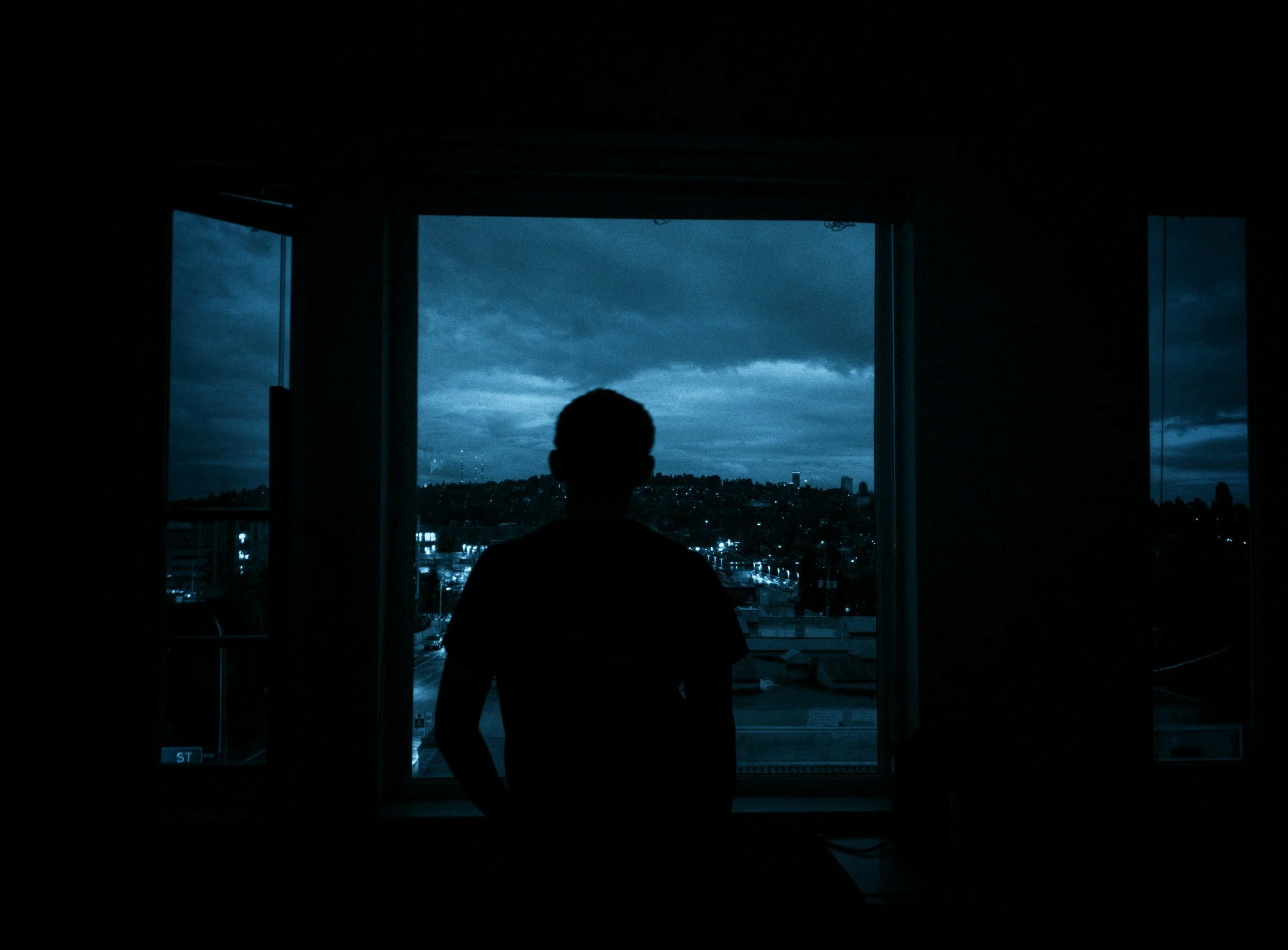
You can have a perfectly ordinary day and still end it in tears. Nothing went especially wrong at work. You had a decent conversation over lunch. But now you’re home, it’s getting late, and a sadness you can’t quite explain has settled in. You wonder what happened between then and now.
One possibility is that you’re finally noticing something that didn’t get much attention during the day. You miss someone, or you’re unhappy about how a conversation went. Perhaps you’ve been looking forward to a free evening and now don’t know what to do with it. Exhaustion can be part of the picture too. But there’s no single explanation that fits everyone who feels worse at night.
Sleep and loneliness are worth considering. In Gallup polling conducted in December 2023, 57% of U.S. adults said they would feel better with more sleep. Pew Research Center reported in January 2025 that 16% felt lonely or isolated all or most of the time. Neither survey asked about nighttime sadness, so those figures can’t explain your particular evening. They do show how common inadequate sleep and loneliness are, even if neither comes up much in everyday conversation.
When you feel sad at night regularly, the timing can give you a starting point. Does it happen as soon as you leave work, after a particular activity, or once you’re in bed? And does it pass by morning?
Being busy can make a difficult day easier
Work can be demanding and still be the easier part of your day. There are things to finish and people who expect something from you. A question gets answered; a task gets done. You can see where your attention is supposed to go.
Then you get home and have to decide what you want. That can be surprisingly hard after spending hours responding to other people. Dinner and a show might sound good until you’re halfway through both and realize you’re barely paying attention. You check the time and feel disappointed that this is how you’re spending the evening. Tomorrow, you’ll do it again.
For some people, that disappointment is about work taking up too much room. For others, it’s about the gap between the life they expected and the one they’re living. Maybe you thought you’d have a partner by now, or a group of friends nearby. Maybe the job you worked hard to get has left you with little time for anything else.
These are uncomfortable thoughts to sit with at the end of a tiring day. They’re also quite different from the problems you spent the afternoon solving. Getting through work doesn’t necessarily tell you much about how you’re doing at home.
It helps to be precise about the timing. Sadness that arrives when you walk into an empty apartment may have a different explanation from sadness that starts while you’re answering emails at 11 p.m. If it happens after an otherwise enjoyable evening, that’s useful to know too. Avoid deciding in advance that it must be depression, loneliness, or burnout. You may need a little more information.
Missing the ordinary parts of having someone around
Loneliness doesn’t always mean having nobody in your life. You can have friends, colleagues you like, and a family group chat that never stops. What you miss might be much less organized: somebody to eat with, a person who remembers what happened yesterday, or a friend you can call without wondering whether you’re interrupting.
That kind of closeness is difficult to replace with occasional plans. A good Saturday dinner can coexist with a lonely Tuesday night. If you’ve recently moved to DC, you may be meeting plenty of people while still missing the ease of being known by old friends. It takes time before a new friendship becomes the sort where you can say, “Can I come over? I don’t really want to be by myself.”
In Pew’s survey of 6,204 U.S. adults, 22% of people under 50 reported feeling lonely or isolated all or most of the time. The survey was conducted in September 2024. Those respondents weren’t necessarily friendless. The survey asked about feeling lonely or isolated, which can happen even when there are people in your life.
You might also be lonely in a relationship. An evening spent beside someone can feel worse than an evening alone if you were hoping to talk and the conversation never happened. If that’s familiar, the useful question may be what you miss between you, rather than why you can’t be happy with the company you have.
The evening you were saving for yourself
Sometimes bedtime sadness comes with a particular resentment: you’ve done everything you were supposed to do, and there’s almost no day left. Going to sleep means getting up and starting again. So you stay awake, even though you’re tired and aren’t doing much you enjoy.
It’s easy to describe this as a lack of discipline. That misses the reason staying up is appealing. If nobody has asked anything of you for the first time since morning, you may be reluctant to give that time up. Another episode buys another half hour before tomorrow.
The difficulty is that tomorrow may then be harder. Gallup’s poll found that 63% of adults who wanted more sleep reported frequent stress, compared with 31% who felt they got enough sleep. That comparison doesn’t establish what caused what. It does make sleep worth asking about when someone describes feeling increasingly unable to cope.
A bedtime routine may help, but it won’t create the free time that’s missing from the rest of the day. Look at whether you can reclaim even a small part of the evening before you’re exhausted. That could mean letting a nonessential chore wait, sharing a recurring task, or ending work at a time you’ve actually agreed to. The options won’t be the same for a parent, a shift worker, and someone with control over their hours.
If you feel tired after work most days, consider that a problem to discuss in its own right. It deserves more attention than another promise to get better at winding down.
Why thoughts become harder to leave alone at night
An awkward exchange can occupy far more of an evening than it deserves. You remember what you said, imagine a better answer, and replay it again. Eventually you’re no longer thinking about the actual conversation. You’re thinking about whether people like you, whether you’re competent, or whether you’ve always been this way.
That last step matters. A particular event has become evidence for a much bigger judgment. “I didn’t explain that well” is something you might learn from. “I’m terrible at my job” is much harder to put down, partly because there’s no single action that can settle it.
This is one way rumination differs from useful reflection. You may be putting considerable effort into thinking without getting any closer to a decision. The repetition itself can leave you feeling worse.
Of course, some nighttime worries concern real problems. You may genuinely need a different job or a difficult conversation with your partner. It would be frustrating to treat those concerns as nothing more than a thinking habit. The aim is to give them a time and place where something can happen, instead of spending another night rehearsing a conversation that never takes place.
What to notice if this keeps happening
A brief description of your evenings can help you explain the problem to someone else. You don’t need a mood spreadsheet. Think about whether any of these changes have become familiar:
- You begin dreading the evening before the workday ends.
- You cry once you’re alone, although you held things together earlier.
- Activities you used to enjoy seem like too much effort.
- You want company but keep turning down invitations.
- You stay awake revisiting conversations or worrying about tomorrow.
- You increasingly depend on drinking or scrolling to get through the night.
- The low mood has started carrying into the morning.
These observations don’t diagnose depression. What matters is how often they happen, whether they’re getting worse, and how much they interfere with your life. Include the better evenings as well. You might feel quite different after dinner with a friend, for example. Or you may have noticed that even the plans you usually enjoy no longer make much difference.
Making tonight a little easier
If you’re reading this during a difficult evening, you may be more interested in getting to sleep than figuring out why it happened. That’s reasonable. The following suggestions address different problems, so choose whichever fits tonight. The bigger questions can wait for a time when you have someone to talk them through with.
Eat something if dinner never really happened. A handful of snacks at your desk may have been enough to keep working, but it isn’t much of an evening meal. Take care of that practical need before spending another hour trying to understand your mood. You may still feel upset afterward, but at least you won’t also be going to bed hungry.
Make contact without waiting for the perfect explanation. Ask a friend whether they have ten minutes to talk, or send a voice message. You can say you’ve had a rough evening without knowing why. If nobody is available tonight, arrange something specific for tomorrow. Avoid treating one unanswered message as proof that nobody wants to hear from you.
Put the unfinished issue somewhere you can return to it. Write down the question that keeps coming back and the next thing you could do about it. Be concrete: ask for a meeting, check the bill, talk to your partner after dinner. A note won’t stop every thought, but it gives you somewhere to resume without starting the whole argument over in bed.
Stop feeding the particular comparison that hurts. If looking at an ex’s profile or someone’s carefully photographed evening reliably makes you sadder, close that account for tonight. If you keep reopening it, logging out or moving the phone across the room may make the decision a little easier to stick to.
Choose something familiar. A book you’ve read before, a quiet household task, or a show you actually like can be easier than searching for the ideal way to relax. Give it a little time. If you find yourself repeatedly checking whether you feel better yet, bring your attention back to what you’re doing rather than grading the result.
Protect some time tomorrow that isn’t for work. If you keep staying up because the day never felt like yours, see whether you can move a small enjoyable activity earlier. A walk at lunch or a phone call before dinner may be more realistic than waiting for a completely free evening. If your schedule leaves no room for even that, it may be worth asking someone to help you look at what can change.
Let someone help with the pattern. If you’ve been trying variations of these ideas for weeks and still dread the evening, arrange a conversation with a therapist or healthcare professional. Tell them what the nights are like and what you’ve tried. They can ask about the parts you haven’t considered, including whether your mood has changed at other times of day.
When sadness at night needs more than a change of routine
Depression is one possibility when low mood comes with loss of interest, withdrawal, hopelessness, or changes in sleep, appetite, and concentration. It’s the combination and persistence of symptoms that need assessment. The fact that you still go to work doesn’t rule it out; feeling unhappy on a particular evening doesn’t confirm it.
If the sadness has persisted for a couple of weeks, is worsening, or is making daily life difficult, contact a professional. You can seek help earlier too. Mention any new physical symptoms, changes in medication, or increased alcohol use. If you also feel sad at other times without an obvious reason, include that in the conversation.
North Star Psychological Services offers therapy in Dupont Circle, Washington, DC. If evenings have become the part of the day you struggle with most, contact us about therapy and current availability.
If you may act on thoughts of harming yourself or cannot stay safe, seek immediate emergency help or go to the nearest emergency department. If possible, ask someone you trust to stay with you while you get help.
Questions about nighttime sadness
Why do I cry at night for no reason?
Sometimes there’s no single reason you can identify. A difficult week, grief, loneliness, or feeling worn out may be involved, but tears alone don’t tell you which explanation fits. Notice whether this is occasional or becoming frequent. If crying at night is distressing, recurring, or accompanied by other changes in your mood or health, discuss it with a professional.
Can I be happy during the day and still have depression?
Enjoying parts of the day doesn’t settle the question either way. A professional would ask about your mood over time, your interest in things, other symptoms, and how daily life has changed. It’s possible to meet responsibilities while struggling privately. Describe both the better periods and the difficult ones so the assessment reflects more than your worst hour.
Is nighttime depression a separate condition?
“Nighttime depression” is a common search phrase, but it isn’t a separate diagnosis. Someone using it might mean sadness before bed, depression that feels worse in the evening, or loneliness after work. Those experiences can overlap, but they aren’t interchangeable. Explaining what actually happens during your evenings is a better starting point than trying to make the label fit.
Why do I feel sad on Sunday nights?
Sunday may bring worries about work, disappointment that the weekend is ending, or loneliness after spending time with others. Ask which part feels hardest. If it’s a particular Monday meeting, the concern is different from feeling that you have nothing to look forward to all week. Persistent dread is worth discussing, especially if it’s affecting sleep or the rest of your weekend.
Should I wait to see whether it goes away?
An occasional sad evening may pass without much intervention. Repeated sadness that is intensifying or affecting sleep, relationships, or everyday tasks deserves attention. You can make an appointment even if you’re unsure how serious it is. Keep a few examples of what has been happening, including when it began and any changes that occurred around the same time.
Related reading from North Star:
-
Why Do I Feel Sad for No Reason? What May Be Going On
If the sadness shows up during the day too, this article explores what may be contributing and when to seek support. -
How to Stop Spiraling Thoughts at Night
For nights when you get into bed and find yourself replaying the day or worrying about tomorrow. -
Why Am I So Tired After Work?
A closer look at why the workday can leave you with little energy for the evening you were looking forward to. -
Rumination vs. Overthinking vs. Intrusive Thoughts
Understand the differences between these thought patterns when the same worries or memories keep coming back. -
Depression Therapy in Washington, DC
Learn about support for sadness, low energy, loneliness, or losing interest in things you used to enjoy. -
Anxiety Therapy in Washington, DC
Explore therapy for worry, overthinking, and the tension that can make it difficult to settle down at the end of the day. -
Schedule a Free Consultation
Talk with our Washington, DC team about what has been difficult, ask questions about therapy, and learn about current availability.